

NEED A RELIABLE GENERAL
Contractor In New York?
At Stitch Coterie, we solve your problems. Our team of experts specializes in residential and commercial projects across New York. From intricate carpentry to full-scale remodeling, we handle it all with precision and care.
30K
Happy Clients
100+
Reviews
5.0
Positive Rating

PREV
NEXT

Bathroom Remodeling: How to Prevent Moisture Problems and Improve Ventilation
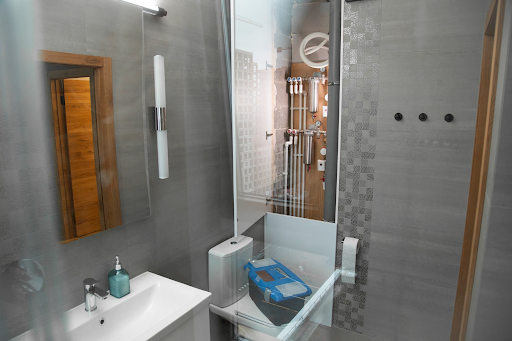
It goes without saying that the bathroom is the most moisture-prone area in a home. Chances are, together with the kitchen, they’re the places that need to be renovated more than any other areas in the house. Aside from what you should not do when remodeling a bathroom, let’s talk about what a homeowner must make sure of in the endeavor of improving that special hideaway in one’s residence.
1. Install Proper Exhaust Fan
Proper bathroom ventilation during remodeling requires selecting the right size of an exhaust fan effective for moisture and odor removal. Also, choose a silent model under one zone for comfort. Ensure that the fan blows air directly outside and not up into the attic to prevent mold growth there. Place the fan above the shower or bathtub. A dehumidifier is a good item to have for keeping the bathroom dry.
2. Maintain Proper Bathroom Ventilation
If the bathroom has an exterior wall, open a window while bathing, as this allows humid air to escape and fresh air to come in. Keep the window wide open for 10 minutes at a time to cool the walls and cause condensation. Installing a skylight in the bathroom allows warm air to rise out of the area and also lets in daylight that will help in naturally drying the wettest place in the home.
3. Use Moisture-Resistant Materials
When talking about the do’s and don’ts bathroom remodel projects have to observe, the use of waterproof materials is crucial. Select water-resistant surfaces like cement board for the walls of the shower or tub area. It’s best to avoid using tiles with grout if the goal is minimizing cleaning effort and preventing mold. Luxury vinyl plank or treated stone is great for flooring. Smart material choices safeguard your bathroom against moisture.
4. Apply Waterproofing to Walls and Floors
Prior to installing tiles, apply a liquid membrane or place a sheet liner on the walls and floor, even more so in the shower area. Place reinforcing tape and caulk on all seams and corners. Allow the applied sealant to cure completely. This protective layer stops moisture completely and guarantees no mold or decay develops in the bathroom. Consider waterproofing as the unseen raincoat for your bathroom that will keep it dry if not used.
5. Seal Tiles, Grout, and Bathroom Fixtures
Sealing tiles, grout, and fixtures is an essential concluding step in renovating a bathroom. Use a deep-sealing agent on grout to prevent water absorption and stains. Reapply every couple of years. It’s best to apply silicone caulk around sinks, tubs, and showers to form effective waterproof seals. Remember to apply caulk where fixtures connect with walls and floors. This blocks moisture and hinders bacterial growth.
Seal It, Vent It, Love It
More than what you should not do when remodeling a bathroom, we’ve provided you with 5 essential tips on what exactly to do to avoid moisture issues and enhance airflow in the place. These are steps one can take to ensure the bathroom remains dry and attractive for years to come. Should you need a reliable builder for a bathroom renovation, get in touch with us at Stitch Coterie. Call 646-598-7355.